Android, Blog, Google

Google has modified their OEM agreements to include provisions for regular security patches.

At the annual Google I/O developer conference, the company holds several sessions about updates to the Android platform. During the “What’s new in Android Security” talk, Google’s head of Android platform security David Kleidermacher talked about the upcoming security changes in the Android P release. Near the beginning of the talk, Mr. Kleidermacher discussed how the company was making it easier for OEMs to roll out security patches thanks to the architectural changes implemented with Project Treble. He followed this statement with a small, but incredibly important tidbit of information: Google has modified their OEM agreements to include provisions for regular security patches.

We’ve also worked on building security patching into our OEM agreements. Now this will really … lead to a massive increase in the number of devices and users receiving regular security patches.” – David Kleidermacher, Google’s head of Android platform security

Google releases monthly security patch bulletins that list patches for known vulnerabilities. These security patch bulletins are released to the public generally in the first week of each month, however, OEMs and vendors receive the monthly security patches a month in advance. This gives OEMs and vendor times to patch vulnerabilities before the security bulletin is made public; it’s how companies like Essential are able to provide security patch updates on the same day as Google.

Google hasn’t required OEMs to update their devices with the latest security patches, though generally, larger OEMs offer them for at least their flagship devices to assure customers that their devices are secure. A recent report revealed that some OEMs have missed patches from monthly Android security bulletins, and data shows that many devices fail to receive security patch updates in a timely manner. Google wants to change that.

The company has a few programs in place to bind their partners to certain terms. One of them is the GMS partner program, and another is the Android partner program. Companies in the latter program work closely with Google to make sure their devices are compliant with Google’s requirements for the latest version of Android. Android partners also receive new Android releases faster than other companies; it’s why companies like Xiaomi, Essential, and OnePlus received early access to the Android P Developer Preview 2 while other companies seemingly did not. Now it seems that Google is reworking the agreement with their Android partners to include terms requiring regular security patches.

Unfortunately, there are few details available about the updated Android partner agreement. We don’t know how often Google will require their OEM partners to implement patches. Google is likely requiring OEMs to roll out security patches on a monthly basis as Google doesn’t want Android devices to stay unpatched, but we aren’t sure about the timeline in the agreement. We also don’t know if Google has provisions in place to verify that security patches are being properly implemented. Still, the Android partner program is hugely beneficial for OEMs to be in, so it’s in their best interests to abide by the changes even if there may be some internal disagreements with the decision. Hopefully, as Mr. Kleidermacher stated, this change will make sure that millions more Android users are kept secure against the latest security threats.

Android, Blog

Redmi S2 Unveiled in China

Highlights:-

  • Redmi S2 Unveiled in China.
  • Powered by Snapdragon 625 SoC clocked at 2.0 GHz and Adreno 506 GPU.
  • 5.99″ HD+ Display.
  • Finger print sensor.
  • AI assisted 16MP Front Camera.
  • Dual Camera (12 MP + 5MP ) with EIS at back.

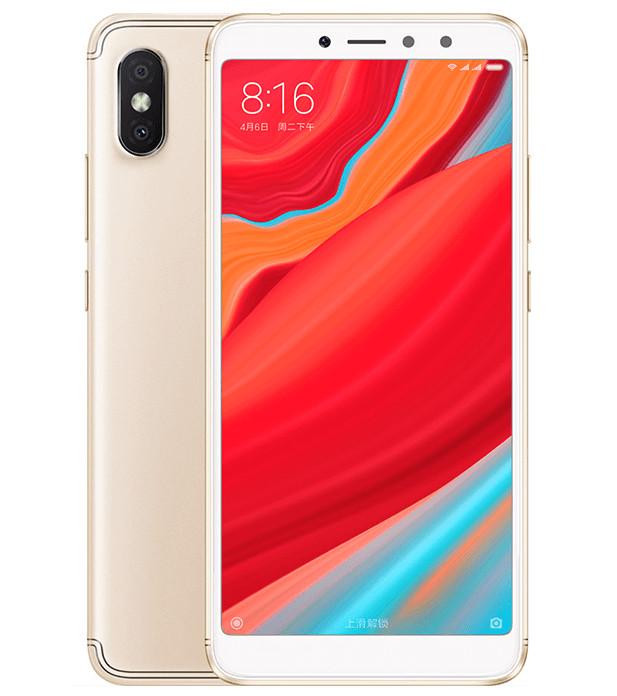
Today Xiaomi unveiled the Redmi S2 in China. The device is positioned below the Redmi Note 5 in its domestic market, although it kept some of the features like dual cameras and tall screen.

The Redmi S2 is powered by the Snapdragon 625 chipset and runs MIUI 9 over the latest available stable Android version – 8.1 Oreo. The SoC has an octa-core CPU, clocked at 2.0 GHz and Adreno 506 GPU.

The Xiaomi Redmi S2 sports a 5.99” screen with HD+ resolution. There are no buttons on the front – the fingerprint scanner is on the back, while the UI navigation is done via onscreen keys.


There is a 16-megapixel front camera with soft LED flash that supports AI beauty feature and uses pixel binning technology, combining the information from four pixels to create one large 2.0µm pixel. It also has face unlock. The rear setup is the same 12 MP + 5 MP combo with EIS that we saw on the Redmi Note 5 Pro.

The Xiaomi Redmi S2 comes in two versions – 3 GB RAM + 32 GB storage and 4 GB RAM + 64 GB storage – and they both come with a dedicated microSD card slot.

Xiaomi Redmi S2 specifications

  • 5.99-inch (1440 × 720 pixels) HD+ 18:9 2.5D curved glass display with 1000:1 contrast ratio, 450 nits (typ) Brightness, 70.8% NTSC color gamut.
  • 2GHz Octa-Core Snapdragon 625 14nm Mobile Platform with Adreno 506 GPU.
  • 3GB RAM with 32GB storage / 4GB RAM with 64GB storage, expandable memory up to 256GB with microSD.
  • Android 8.1 (Oreo) with MIUI 9.
  • Dual SIM (nano + nano + microSD).
  • 12MP rear camera with LED Flash, 1.25μm pixel size, PDAF, f/2.2 aperture, secondary 5MP camera.
  • 16MP front-facing camera with LED flash.
  • Fingerprint sensor, Infrared sensor.
  • Dimensions: 160.73 × 77.26 × 8.1mm; Weight: 170g
  • 4G VoLTE, Wi-Fi 802.11 a/b/g/n, Bluetooth 4.2, GPS + GLONASS.
  • 3080mAh (typical) / 3000mAh (minimum) battery.

The Xiaomi Redmi S2 comes in Rose gold, Champagne Gold and Platinum Silver colors, is priced at 999 yuan (US$ 156 / Rs. 10,560 approx.) for the 3GB RAM with 32GB storage version and the 4GB RAM with 64GB storage version costs 1299 yuan (US$ 204 / Rs. 13,735 approx.) .

Source

Android, Apple, Blog, Instagram, iOS, Tech Talks

Instagram’s ‘Active At’ Feature on Direct Messaging; Screenshot Alerts for Stories Also Coming Soon

Highlights:-

● Instagram added last seen feature in Direct Messaging (DM) Service

● Instagram testing text-only stories and screenshot alerts for stories

Instagram is now even more of a stalker’s paradise.

Everyone’s favorite photo and video sharing app has just added an “Activity Status” that lets all your friends and followers “see when you were last active” on the app, just like on Facebook Messenger.

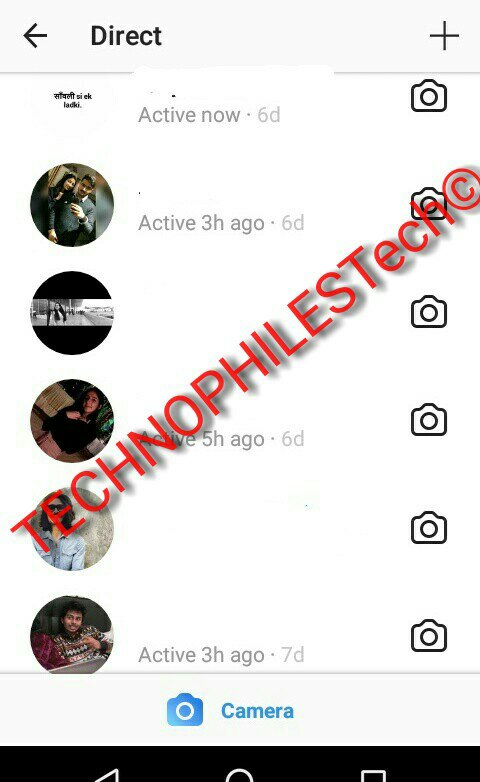
When you open up Instagram Direct, the messaging section of the app, you’ll now see it shows whether your friends are “active” on the app or when they were last active on it.

Interestingly, the feature works even if the person is not following your account. The Activity Status will be shown to accounts you and anyone you message.

For Instagram stalkers — don’t pretend like you don’t do it — this is change that’ll let you keep even closer tabs on who is and isn’t ignoring you on the app.

Did your crush just read your DM (you’ll know because it says “seen” underneath the message) and not respond? Well, by default, you can now see if they’re really ghosting you or not. The new Activity Status is enough to give Instagram addicts even more anxiety .

So Instagram got its own version of “last seen” called “activity status”

Fortunately, there’s a way to stop this creepy activity broadcasting: Go Instagram’s app settings (the gear icon) inside of your profile, and then toggle off the “Show Activity Status.”

This slideshow requires JavaScript.

“When this is turned off, you won’t be able to see the activity status of other accounts.”

Apart from that, Facebook owned – Instagram is testing a new ‘Type’ feature that enables text-only, written stories on the mobile app. While Instagram Stories have always been based on images and video, Instagram has been testing the new Type feature that apparently shows up next to other choices such as Boomerang, Rewind, and Superzoom. Users can choose from different fonts, different backgrounds, and even apply filters on Type. Screenshots of some of the Fonts and Colors that I was able to use are attached here.👇

This slideshow requires JavaScript.

Another report from WABetaInfo suggests Instagram is testing out a security feature on its app. The feature will send notifications to users if someone takes a screenshot of their stories. Instagram currently notifies users of a screenshot only if the image or video is sent on Instagram Direct. Now, like Snapchat, the feature will be expanded to public stories as well.

As Instagram becomes ever more popular, it’s also becoming more and more like Facebook, and that’s, to be honest, kind of scary. The reason why Instagram was great was because it wasn’t Facebook. It didn’t have creepy activity status trackers.

But now that it does, it might be time to consider deleting Instagram off your phone, just like people are doing with the Facebook app.

Deleting Instagram is the new deleting Facebook!!!

If you like our post please share our post!!!

Follow us on Instagram

and Facebook

Android, Blog, iOS, Tech Talks

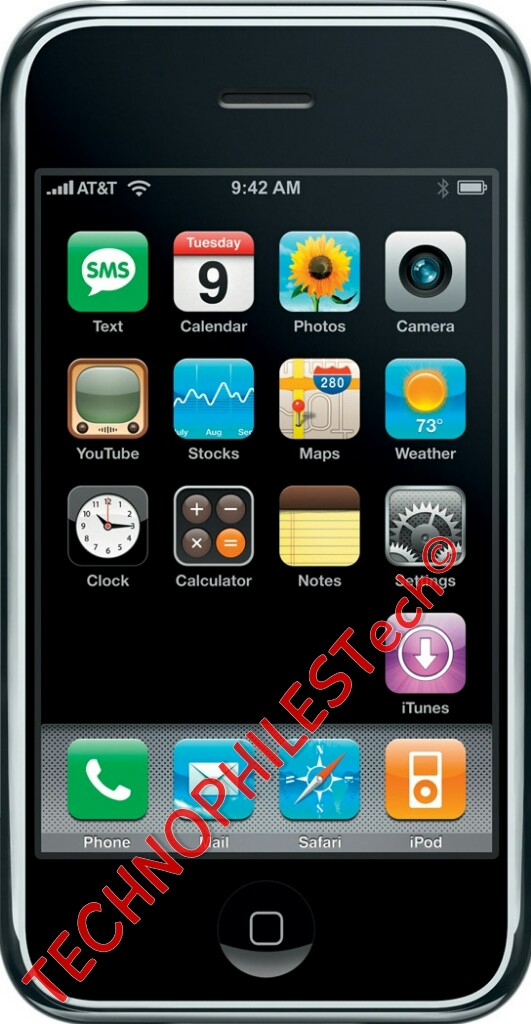
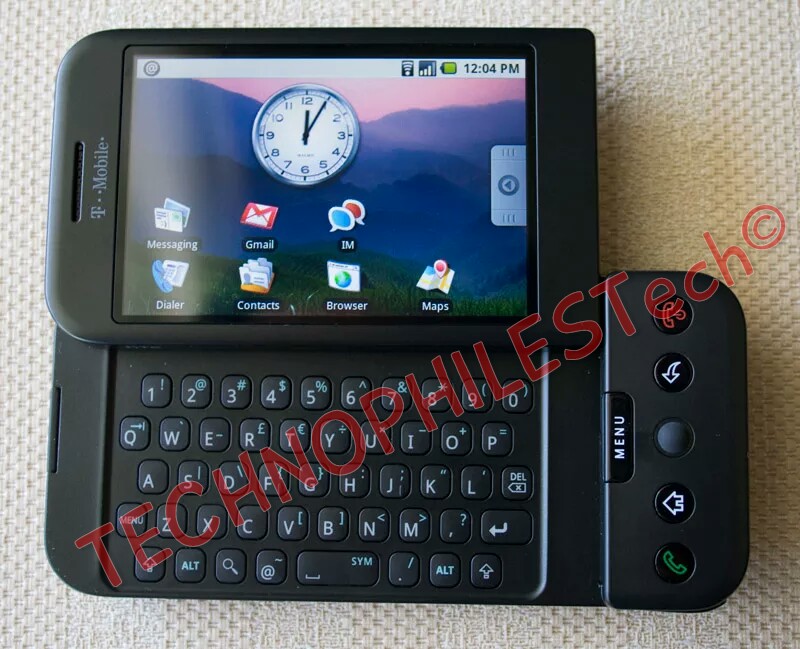
First Android Phone (Android Alpha) v/s First iPhone (iOS 1)

Today we all have these massive phones with big and sharp displays packed in with all these crazy features but did u ever thought what did the originals looked like? Steve Jobs considered android as a stolen product and wanted to destroy android for copying the iPhone. So let’s see which one was better at that time and who copied who (will get to that later read till the end!).

Display:

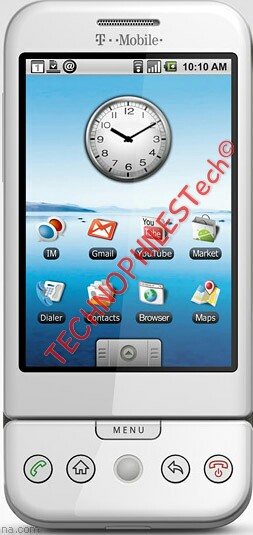
Talking first about the display both these devices had a big or massive displays (Massive by 2008 standards) (let’s not forget about Nokia and Moto phones popular as smartphones at that time). The first version of iPhone was quite big with a 3.5 inch display. On the other hand Google G1 had a smaller display that was a 3.2 inch display but both of them had the same resolution of 320×480 which meant that Google G1’s display had more PPI. On the other hand Google G1 display had a TFT panel due to which it looked weird and had bad viewing angles while iPhone was using the HVGA which looks much nicer than what was found on G1.

Design and Hardware:

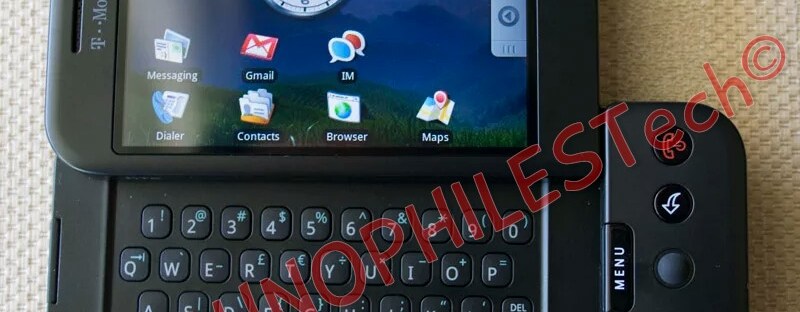
The iPhone and the G1 had a night and day difference in terms of hardware. The iPhone was twice as thin as its competitor. iPhone had only one input method whereas G1 couldn’t actually make up its mind what it wanted to be- it wanted to be fully touch screen phone or it wants to be navigated like a blackberry with scroll wheel or an actual keyboard to control only some things like typing when you get bored with other two of them. It did seem like an identity crisis because it really didn’t know what it really was but still people loved to have so many choices whereas apple on the other hand used only a touch display for everything and had no stylus like the one found on the Note series these days. On the iPhone there was a tiny or miniscule 2MP camera on the back with the bottom made up of plastic with the antenna bands. The back was non removable whereas G1 had a removable back and it could accept a SD card of 8 GB. The feature which today the iPhone7 doesn’t have was present on the earlier versions of iPhone ….. Yes I am talking about the headphone jack. The first iPhone had a built in headphone jack. Yay no adapters! But take that back actually you did need one because it was recessed so that one could use only apple-branded earphones. G1 did had a unique design which made it look like a J-shaped device and made it more comfortable in hand but it couldn’t stand the test of time like the iPhone.

Software:

Even though iPhone won the hardware race with its nice design by quite a margin but the winner of the software race is simply android because of its more advanced features. This thing was pretty crazy that on android you couldn’t set a lock screen wallpaper whereas on the iPhone you couldn’t set the background of the home screen(it had a plain black background). You could even set a pattern unlock on the android. One more thing which the iPhone didn’t had at that time was pages. If you tap on any app it would simply open the app whereas if you do so on android one could simply move and rearrange the apps as per your liking and create new pages. Multitasking which we take for granted these days didn’t even existed at that time on the iPhone which works very well on the newer versions. This where android steps up as there was a way to multitask in the G1 by pressing and holding the home button. One more thing which didn’t exist at that time were personal assistants-no Siri, no Google Assistant. Also the very first version of android didn’t have an app drawer where all the apps were organized. There was no notification center on the first ever iOS whereas android had a built in notification center. Adding widgets, changing wallpapers, adding app shortcuts-customization like these were only on android at that moment. One biggest thing iPhone didn’t had at that time was the app store. G1 did came with a play store which was known as ‘Market’ at that time.The first ever version of android didn’t have a virtual keyboard which did came in later versions of android. Even though virtual keyboard came later, it just didn’t feel good, nice and natural as the iPhone’s virtual keyboard felt.

Now the thing I was talking about in the starting. Rumors were that Google tried to copy apple’s iPhone design. The first design that came out before they saw the iPhone was similar to what Blackberry, Nokia etc. phones looked like- a small 1.0 inch display with a QWERTY keyboard at the bottom and all business feature like mail to call it a smartphone of that time. But when they saw the original iPhone they just came to know that their blackberry rip-off couldn’t compete with the iPhone so they had to go ahead and re imagine and bring a touch screen to it.

I hope you enjoyed this long journey into the past where we all learnt how the first version of smartphones which we use today looked like….

Please hit that like button if you liked the article and do share it with your friends and do check out our blog for other amazing articles.